



For academic & professional researchers
Research Grade Data at Scale
Terra Stations provide research-grade bioacoustic data, benchmarked against the alternatives, at a price that permits large-scale deployment.
From $329 per station, volume pricing for ten or more · See the Cape May benchmark
- Made by Cellular Tracking Technologies, Cape May, NJ
- Wildlife-tracking hardware for researchers since 2009
- 2,500+ stations deployed
- Motus-compatible radio-tag detection
- Volume and education pricing
- 30-day returns
Built for the Field
What the station does while you are somewhere else.
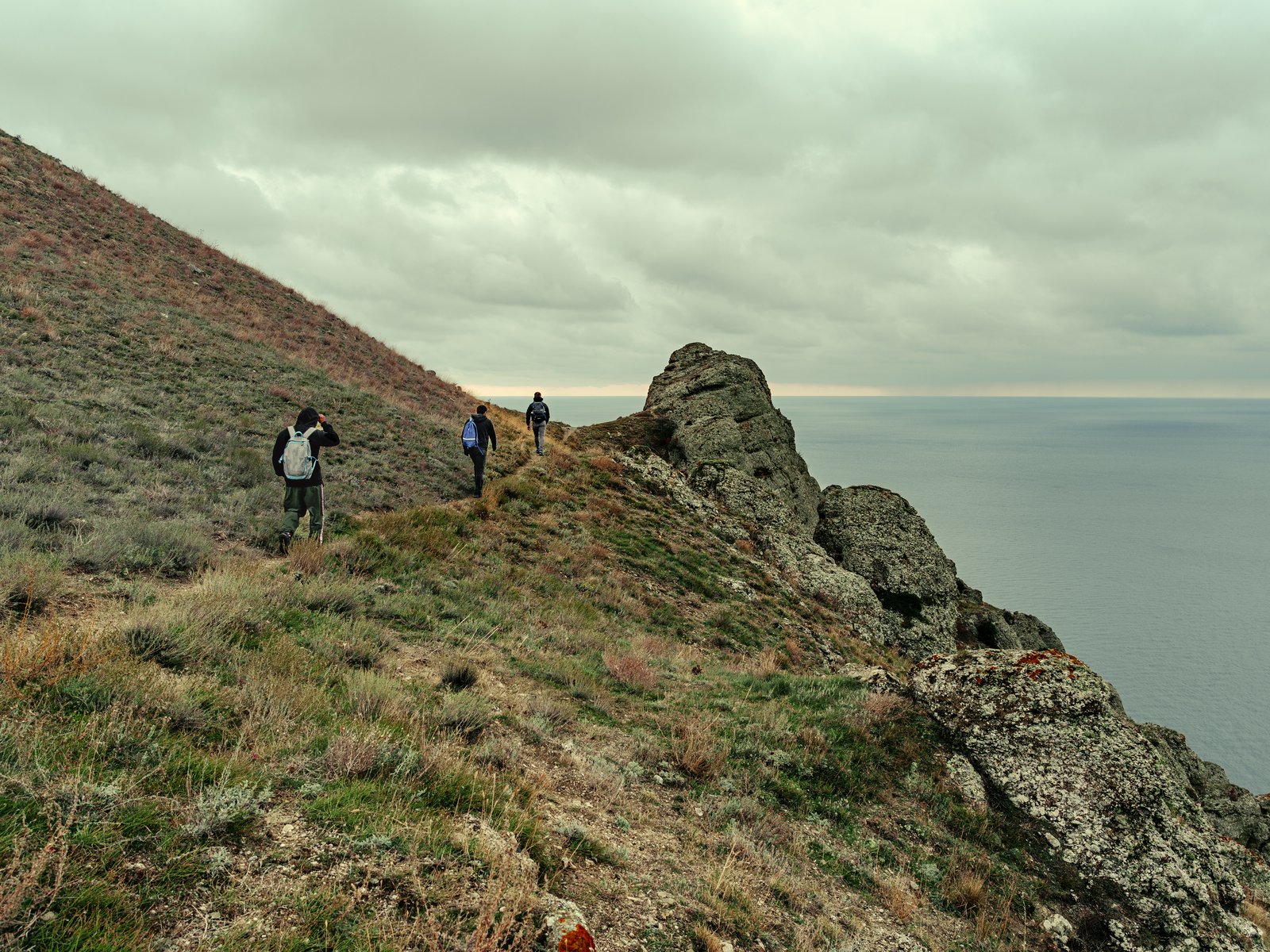
Autonomous Recording mode
Capture continuous, timestamped audio in the field with no WiFi connection. Periodically visit the device to download your data to our app, up to 30 days in MP3 or 30 hours with highest-quality FLAC.
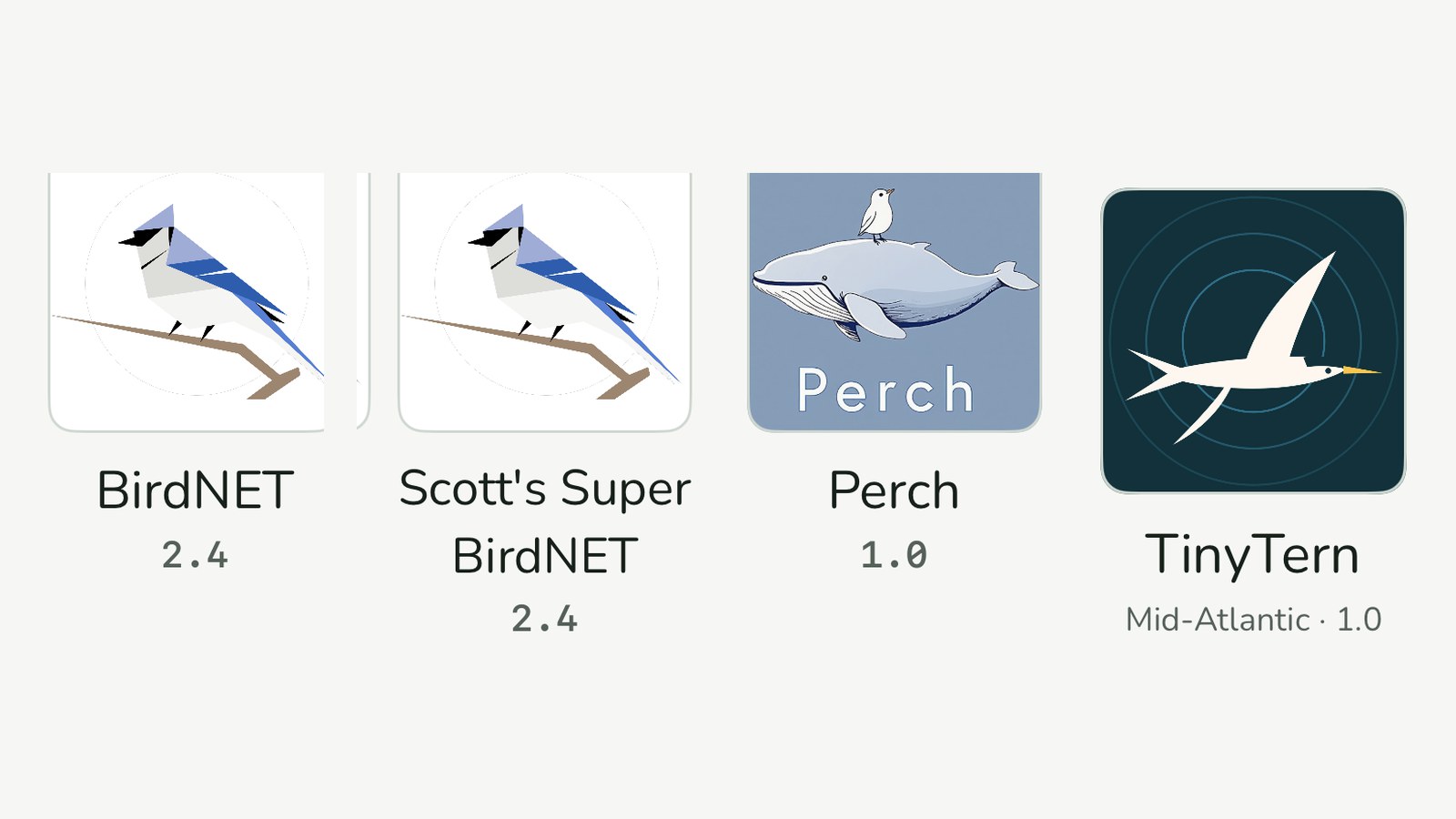
Choose your ID Engine
Terra is ID Engine agnostic, meaning you can choose the tool that best matches your existing data, including BirdNET, HawkEars, Perch, and our own TinyTern and Scott's Super BirdNET, the most accurate engine in our Cape May benchmark.
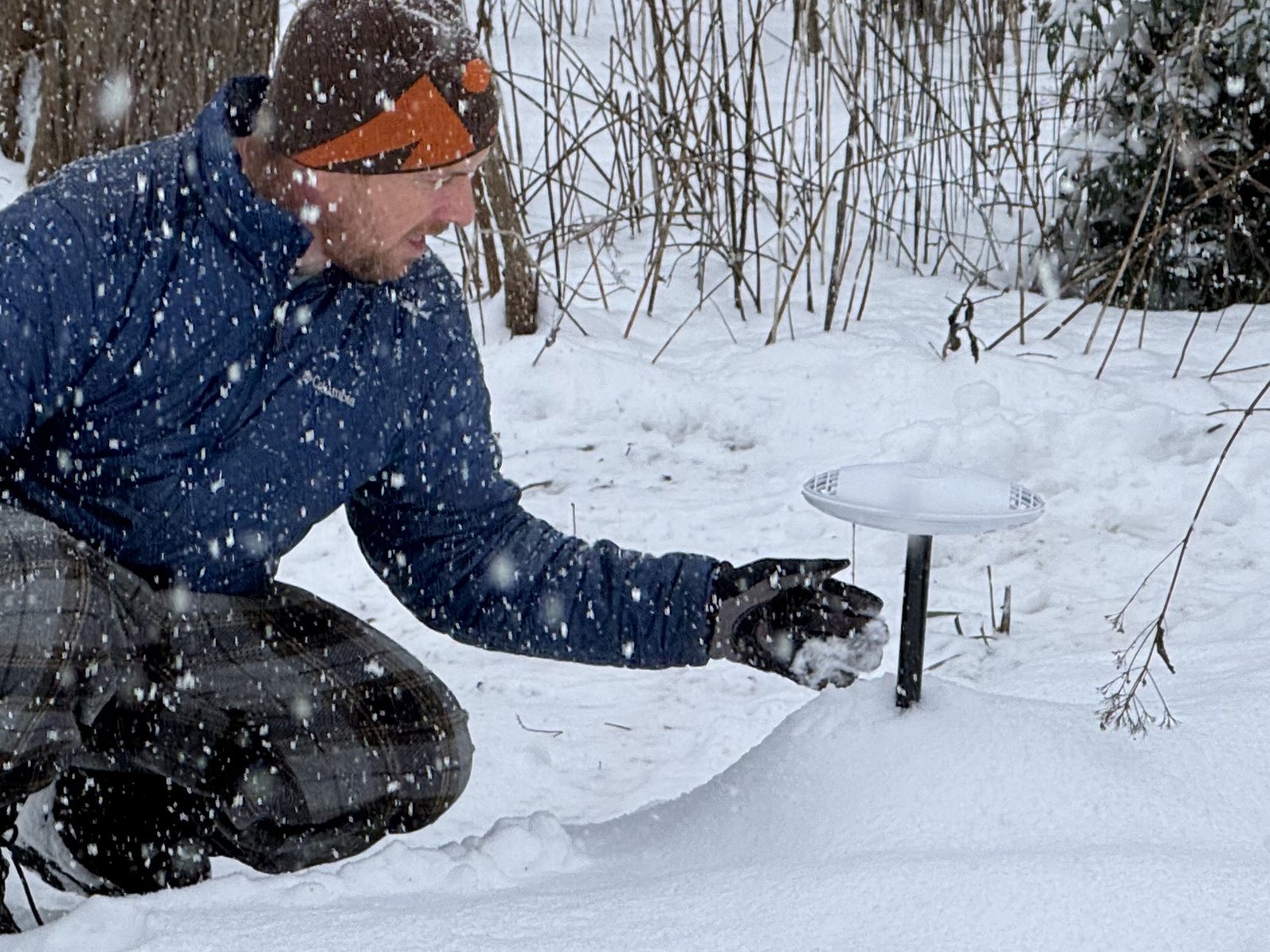
Made for Harsh Environments
With deployments in South American rainforests and Alaskan tundra, Terra Stations are built for long unattended deployments in real field conditions. Manufactured by CTT, with twenty years experience in creating tough, reliable technology.
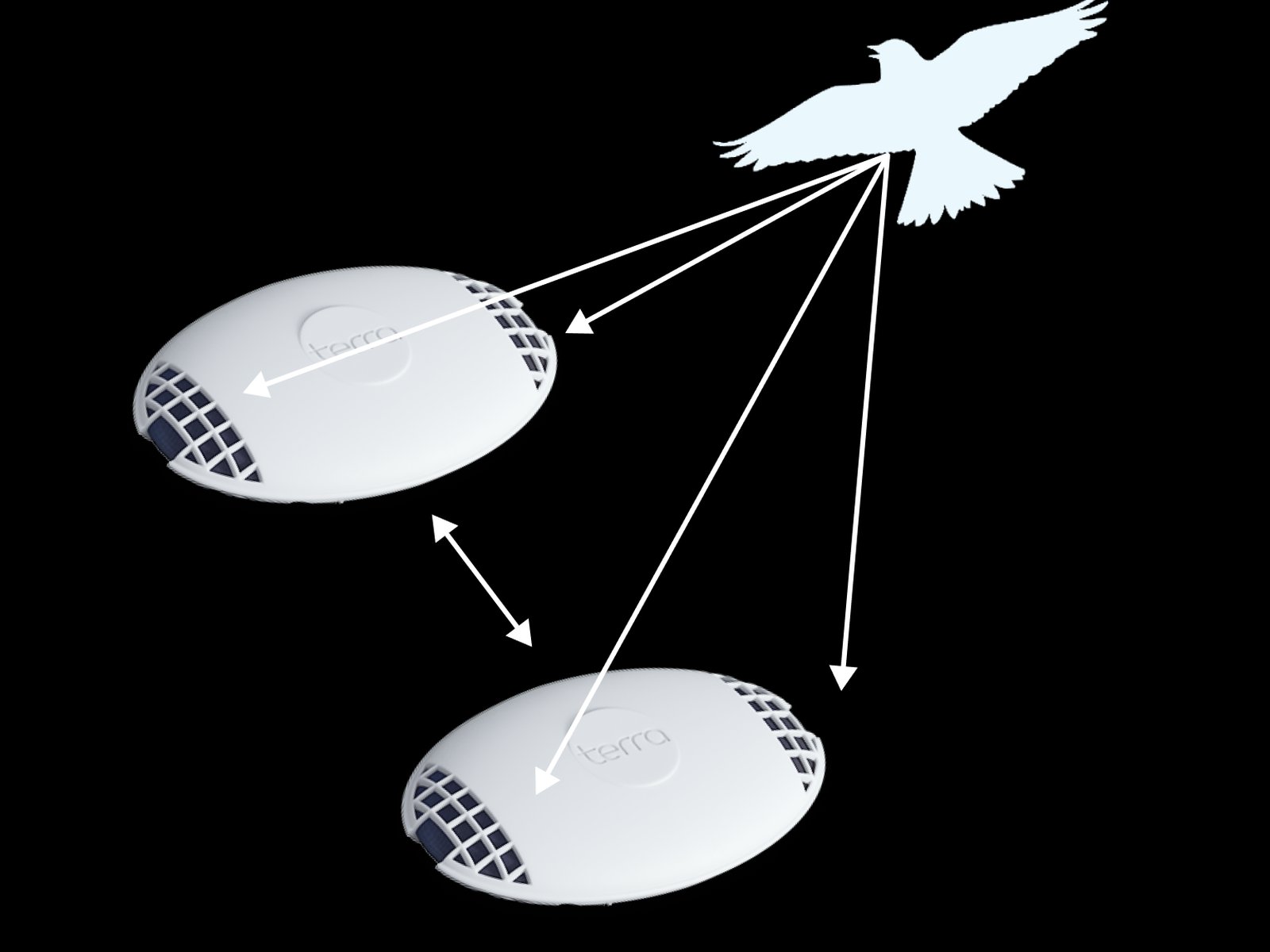
Acoustic Arrays | Abundance
Two Terra stations can be paired to create an accurate 3D picture of the sound environment. Localizing sounds means estimating number of sound sources, so accurate measurements of abundance become possible for the first time.
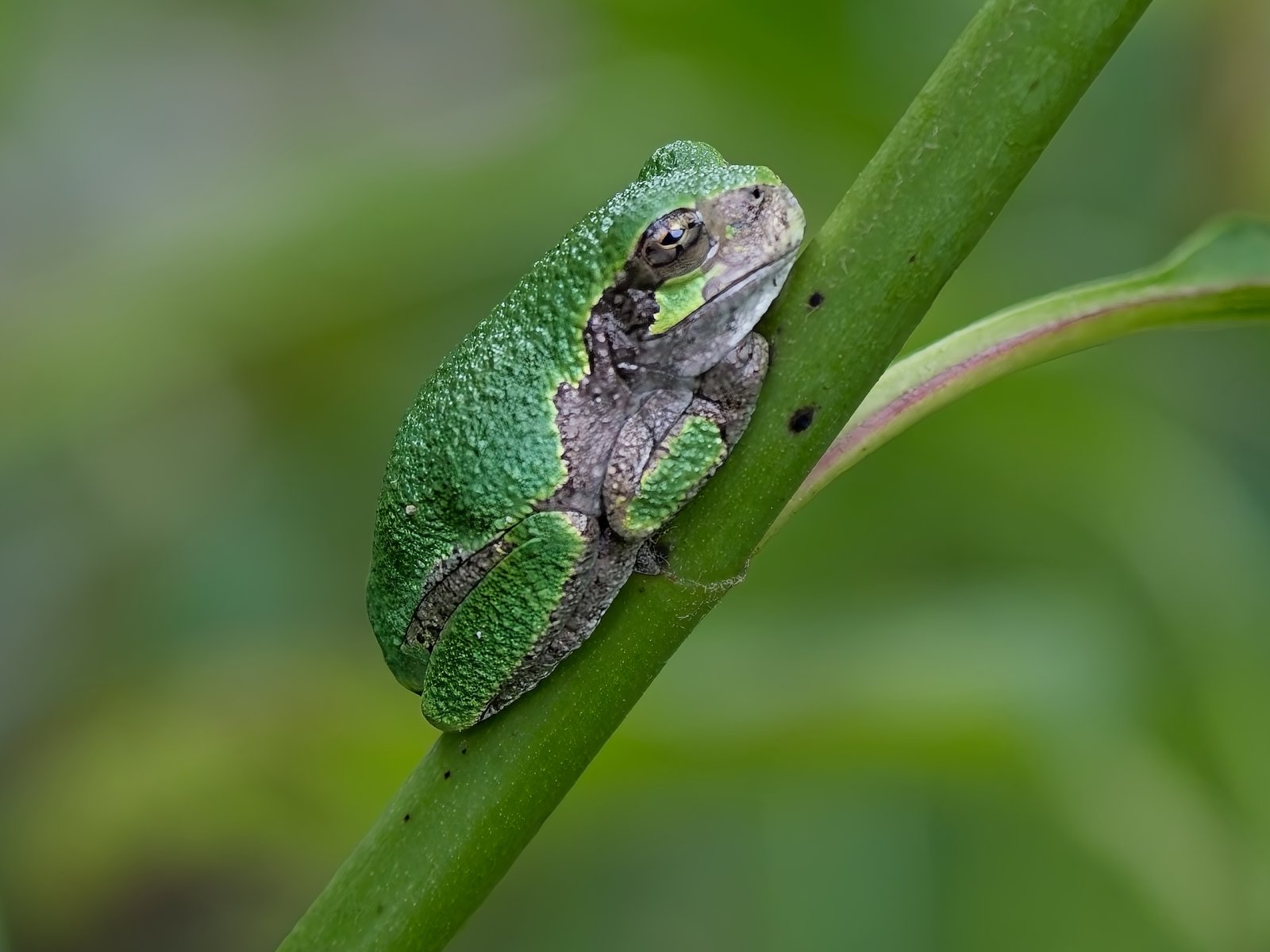
Not just Birds
Terra allows identification of all organic sounds, including birds, insects, mammals, amphibians and more. Our ever-improving engines can also be customized for specific target species.
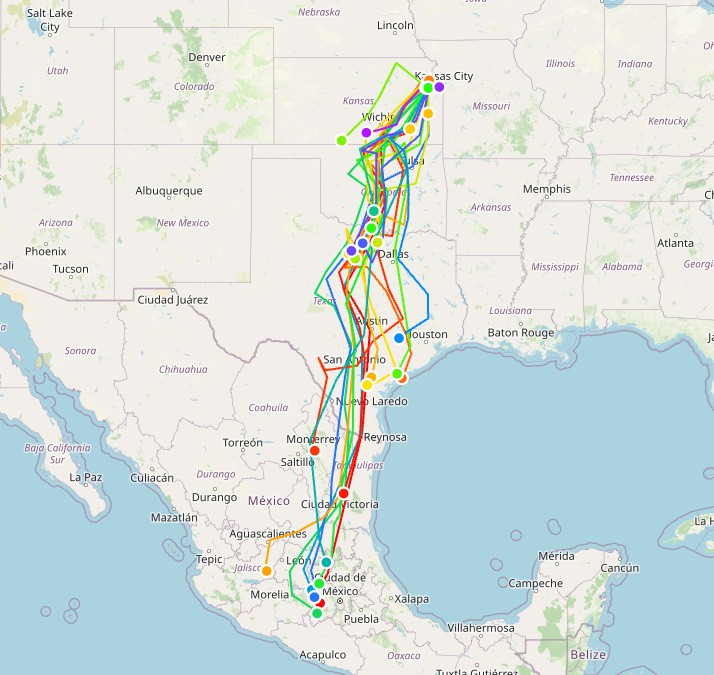
Professional Motus Detection
Add external antennas to detect both 2.4 GHz and 434 MHz Motus tags, with ranges that rival professional Motus stations. Detect everything from large raptors to Monarch butterflies.
Your data, in formats you already use
Export detections and raw audio for analysis in R, Python, or GIS. No lock-in.
CSV detections
Species, confidence, timestamp, and station metadata as structured CSV — ready for R, Python, or a spreadsheet.
Audio clips
Download the underlying recording behind any detection for manual verification and archiving.
Fully-featured API
API allows quick access and customization of how you manage your data.
Radio-tag detection, integrated
Terra listens for radio tags alongside its acoustic monitoring. It detects Blu Series and UHF tags on birds, bats, and insects as they pass, and it is compatible with the Motus Wildlife Tracking System — so one station covers both halves of your fieldwork. Accessory antennas can extend range to up to 20 km for 434 MHz.
Every Terra added to the network builds out the geographical coverage of Motus tags for everyone.

The network that tracked a butterfly to Mexico
In November 2025 the front page of the New York Times reported a first: individual monarch butterflies tracked along their migration. The tags were BlūMorpho solar tags, made by Terra’s parent company, Cellular Tracking Technologies, and light enough for a butterfly to carry. Every Terra Station carries an antenna that hears them.
The breakthrough track came from a monarch released at Cape May Point. As it moved south, Terra stations in backyards along the route logged it alongside the Motus network, and the Terra Network supplied part of the data used to map the migration toward Mexico. Terra was less than a year old.
More than 400 monarchs carried tags in fall 2025, with more each season, and the project is still running. A station that is up and listening is already part of it.

From one station to a network
Deploy a single station, or coordinate dozens across a study area. Tell us your site count and we will help you scope the layout, power, and connectivity before anything ships.
- ✓ The same data schema on every station, so multi-site datasets line up
- ✓ One place to reach detections across all of your sites
- ✓ Volume pricing for multi-station deployments
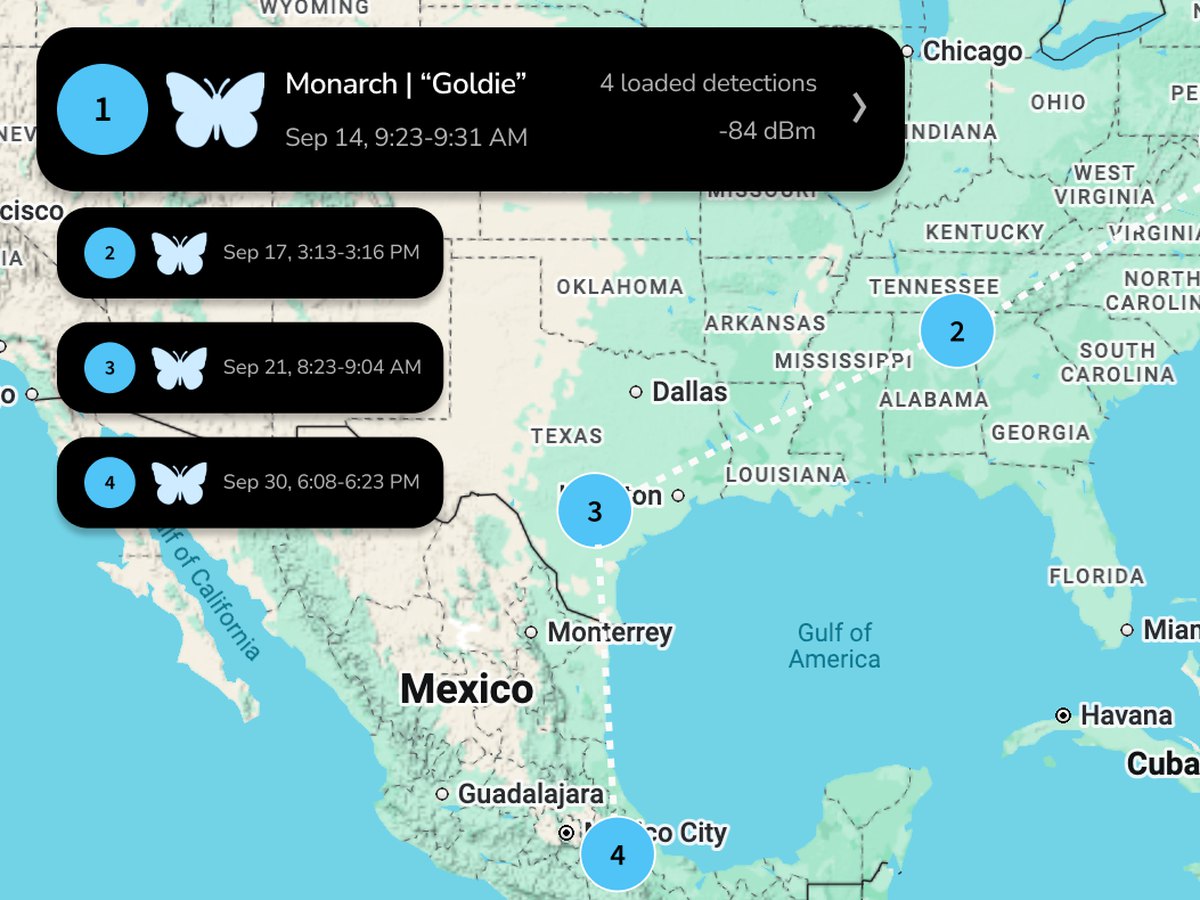
Programmatic access
Pull detections and station status programmatically for your own pipelines and dashboards.
API access is offered per project — availability varies by deployment, so ask us about yours.
Scoping a study? Let's talk deployment.
Tell us about your research goals and how many sites you have in mind, and we will put together volume pricing and a deployment plan.
Working with a nature center, lodge, or classroom? Terra for nature centers & lodges → · Terra for education →